Leg splint (leg splint)
05/04/2024
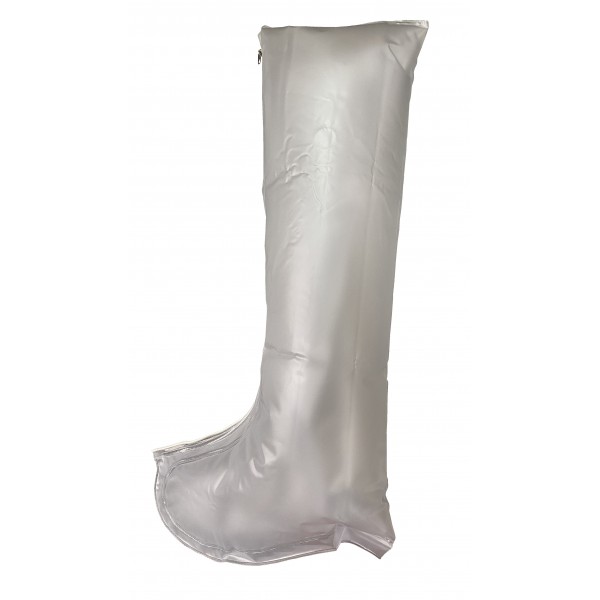
level of rigidity and degree of fixation of the limbs; purposes of application – therapeutic and preventive splints; area of use – medical tires and sports tires; area of use - splints for hips, knees, ankles. damage to ligaments and tendons; dislocations of joints of varying severity; fractures; during rehabilitation periods after injuries or surgical operations; for arthritis, bursitis and rheumatism; during recovery after an inflammatory process; for the prevention of traumatic conditions in athletes. Splints significantly slow down the development of inflammatory processes in the soft tissues of the legs, fix damaged bones in the correct position until they heal, minimize the level of tissue swelling, improve blood circulation, fix the joint in the correct position, reducing the level of load, and minimize pain. Contraindications to the use of splints for the lower extremities include damage to the skin in the form of open wounds and rashes, trophic ulcers, thromboembolism, arterial occlusion and phlebitis. Before using leg braces, it is recommended to consult your doctor.
Leg splint is a special orthopedic product that is used for treatment and preventive procedures for certain diseases of the lower extremities of a person. Most often it is used during the treatment of fractures, deformities, the presence of inflammatory processes of varying degrees of complexity, damage to ligaments and joints.
Splint for leg fixation - what is it?
An orthopedic leg splint is a rigid brace for bones, joints and ligaments, which is a more convenient and functional alternative to traditional medical plaster.Foot splints can be classified according to several criteria:
According to the level of rigidity, splints for fixing the leg can be of three types:
- medium level of fixation - elastic products made of fabric or inflatable products made of a special x-ray transparent polymer-ethylene material, which ensures fixation of the damaged area of the leg in the position necessary for transporting or treating the patient. These types of tires are most often used for sprains, dislocations, or urgent transportation of victims with fractures;
- strong level of fixation - the internal design of such splints includes special stiffening ribs that immobilize damaged areas of the legs. For splints used for injuries of the knee joints, special rings made of medical gel are used as fixing elements;
- maximum level of fixation - splints have metal or wood inserts in their design, which provide complete immobility to the damaged area of the leg. Most often they are used in the post-traumatic and post-operative period, when the injured lower limbs need complete rest.