What is CT (computed tomography)
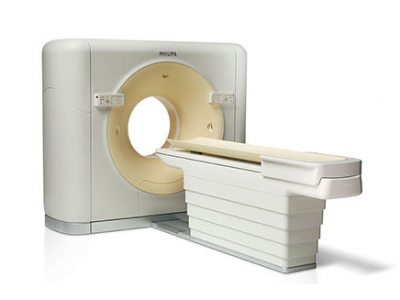
Computed tomography (CT) is a more advanced and effective type of visual diagnosis than traditional x-rays. Despite the same physical principles underlying these methods, CT allows the doctor to make a diagnosis and prescribe treatment more quickly and accurately. What is computed tomography, how does it differ from x-rays and MRI?
Computed tomography – what is it?
Computed tomography uses x-rays to take pictures of a specific organ or part of the patient's body. The basic difference between CT scans is that, thanks to the rotating working head, the device takes not one, but several images in different layers or planes. The array of obtained images is automatically transferred to a computer, which creates a 3D model of the photographed body part. As a result, the doctor receives not just one black-and-white image, but a three-dimensional image in which he can examine the problematic organ or area of the body in different projections.
This visual diagnostic method was first proposed back in 1972, but the real tomography boom began only in the 2000s with the development of computer technology. CT is performed both with and without a contrast agent, depending on the task set by the doctor. The contrast agent is administered intravenously immediately before the procedure. Computed tomography takes only a few minutes and is absolutely painless for the patient.
The most popular examinations are computed tomography:
- head – carried out for all types of traumatic brain injuries, stroke, Alzheimer’s disease, sinusitis, neoplasms, bone changes, cerebral ischemia, brain atrophy and other diseases;
- abdominal cavity - diseases of the kidneys, liver, pancreas, abdominal trauma, pancreatitis, appendicitis, bleeding of internal organs and others;
- nasal sinuses – traumatic injuries, sinusitis, tumors and others;
- chest – pneumonia, aneurysm, neoplasms and other diseases.
Computer tomography is not recommended for users suffering from claustrophobia and allergies to coloring compounds. In addition, CT is not prescribed for pregnant women, patients with hemorrhagic diathesis, toxic goiter of the thyroid gland, renal and liver failure, asthma, diseases of the cardiovascular and respiratory system, patients under ten and over sixty-five years of age.
How to prepare for a CT scan?
Computed tomography is performed on an empty stomach, the last meal should be at least six hours before the procedure. If an examination of the abdominal cavity, gastrointestinal tract or pelvic area is required, the doctor may first prescribe a diet (exclude grains and legumes, raw vegetables, tea and coffee, chocolate), a course of laxative or a cleansing enema. Before the procedure, you must remove all metal jewelry and accessories. Before a CT scan, you can drink only still water. After a CT scan using a contrast agent, you should drink as much as possible - water will help quickly remove the dye from the body.
What is the difference between computed tomography and ultrasound and MRI?
Computed tomography is a visual diagnostic method using x-rays and 3D modeling. It allows the doctor to conduct a high-quality examination of the brain, blood vessels, spine, heart, liver and other internal organs. Ultrasound provides the doctor with only a two-dimensional image, so CT is often prescribed when it is necessary to clarify the diagnosis made based on the results of ultrasound.
Magnetic resonance imaging is another method of visual diagnostics in medicine. Unlike CT, MRI uses electromagnetic waves that are absolutely safe for the patient - even children, the elderly, people with disabilities and pregnant women can undergo this diagnosis an unlimited number of times.
However, despite all the advantages, magnetic resonance imaging is inferior to computer imaging in some aspects. First of all, examination in a tomograph takes longer (up to fifteen minutes), so this type of diagnosis is not suitable for people suffering from claustrophobia. MRI cannot be performed on people with pacemakers, neurostimulators, or metal objects in the body, while computed tomography has no such contraindications.
The objects of examination are also somewhat different. Magnetic resonance imaging is the optimal choice for diagnosing diseases of the spinal cord and brain, cardiovascular system, soft tissues, joints and pelvic organs. Computed tomography is an ideal solution for injuries, diseases of the musculoskeletal system, heart, lungs, internal organs of the abdominal cavity and brain with diagnosis of internal hemorrhage.